
Your Cart is Empty
Plastic Footprint vs. Carbon Footprint: How do they compare?
Climate change is a complex matter that demands more of our collective action every day. Doomsday reports are constantly being...
As the candles stack up on your birthday cake, it’s common to lean into the mirror and think, “When did that line get there?” Truthfully, maintaining that youthful look is a goal shared by everyone from skincare minimalists to full-on beauty buffs.
To give your skin a little extra support from the inside out, collagen for skincare can be a powerful ally. Collagen is the structural protein that keeps skin looking plump, hydrated, and resilient.1 However, our natural production declines with age, bringing fine lines, wrinkles, and dryness along for the ride.1-2 However, the right supplement can help fill in those gaps.
At Amandean, we’ve earned our place in countless wellness routines by using the purest ingredients the planet has to offer. We’ve traveled far and wide to locate top-tier sources like grass-fed, pasture-raised cattle and wild-caught North Atlantic whitefish. We obsess over quality, bioavailability, and clean formulation so you can feel confident about what’s going into your body.
In this article, we’ll go over how collagen for the face works and how Amandean’s commitment to quality can help you get closer to that radiant inner glow.



Collagen is the most abundant protein in your body, and Type I alone makes up around 80% of your skin.1 So, it’s no wonder that this is one of the most studied proteins when it comes to skin health. Multiple peer-reviewed studies show that supplementing with collagen peptides may help support skin elasticity, hydration, and overall smoothness, making it a valuable ally for anyone focused on facial skin appearance.1*
Several internal and external factors can negatively affect collagen production.1-2 For instance, poor nutrition, alcohol intake, and physical and psychological stress may take a toll on your collagen levels.1-2 Meanwhile, environmental factors like pollution and overexposure to UV radiation may also have an impact.1-2 When your natural collagen levels drop, your skin becomes more prone to wrinkles, sagging, and textural shifts.2
A 2015 review analyzed multiple clinical trials and found that oral collagen supplementation was associated with improved skin elasticity, reduced wrinkles, and increased skin moisture compared to placebo groups.2 These results were consistent across participants of varying ages, highlighting collagen’s potential to support visible skin benefits over time.* In another randomized clinical trial, researchers observed that participants who took 10 grams of hydrolyzed marine collagen peptides daily for 12 weeks experienced noteworthy improvements in skin hydration, brightness, firmness, and elasticity.1
While no supplement can fully rewind the clock, collagen peptides are a great way to hit “refresh” on your skin’s appearance. Although everyone’s results and timelines may vary, this growing body of evidence suggests that consistent collagen supplementation can be a strategic step in helping you maintain the smooth skin you love.*
When it comes to your facial skin, Type I collagen is the star, and Type III is its favorite co-star. Together, they make up the majority of your dermis. Rather than work in isolation, they collaborate synergistically to support skin structure and resilience.*
But with so many different types of collagen on the market, which one will give you the advantages you want? Let’s size up these collagen contenders and see how each stacks up.
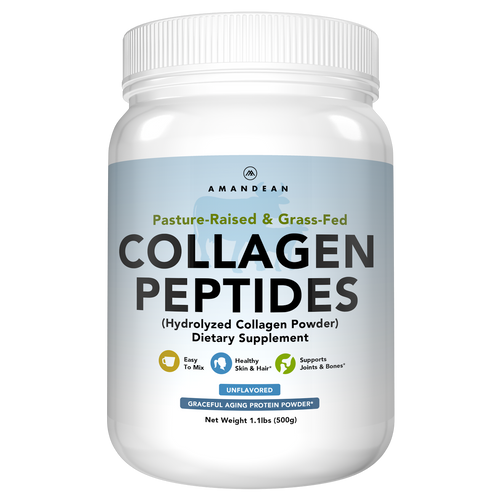
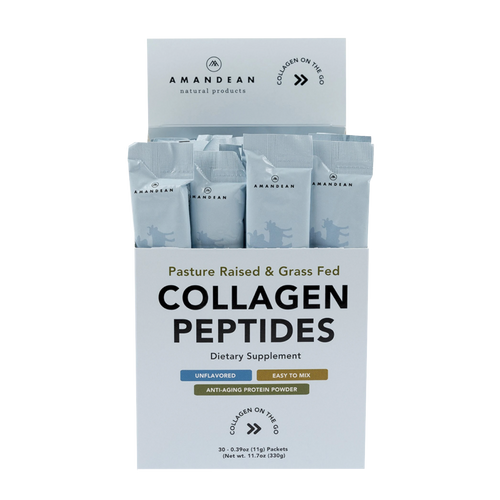
Amandean bovine collagen comes from pasture-raised, grass-fed cows in South America and offers a natural blend of Type I and Type III collagen. It’s nearly identical to the collagen you’d typically find in your body. Every 10-gram scoop is packed with pure protein and 18 amino acids, including glycine and proline. Glycine shows up like clockwork every third spot along the collagen chain, giving the structure its signature strength and stability.3 Meanwhile, proline (along with its derivative hydroxyproline) adds even more support, helping skin stay firm, supple, and well-hydrated as the years go by.3*
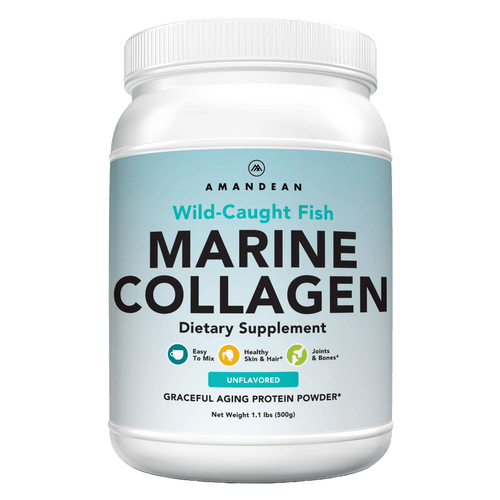
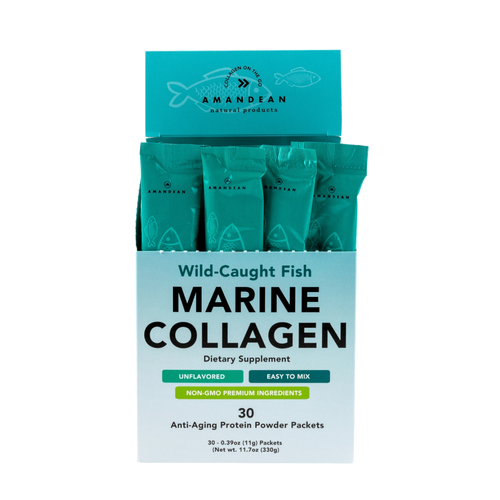
On the other hand, our marine collagen powder is crafted from the skins of wild-caught North Atlantic whitefish like cod, haddock, pollock, and hake. Naturally rich in Type I collagen and 100% derived from fish, it’s an excellent choice for pescatarians or those with beef sensitivities. It’s the best collagen for women searching for a visible beauty boost that works from the inside out. With a high glycine content (also known as the “graceful-aging amino”), it may help support skin hydration, smoothness, and firmness.4* As an additional perk, marine collagen is more bioavailable than bovine collagen. This is because its smaller molecular weight allows your body to absorb it more effectively.1-2
While they are derived from different sources, both Amandean’s grass-fed bovine and wild-caught marine collagen share many of the same winning traits. Both are hydrolyzed into tiny peptide chains, and studies show that hydrolyzed collagen can play a role in supporting your skin’s natural renewal process from within.1 These mini-but-mighty fragments are much easier for your system to absorb and deliver straight to where they’re needed most, like your face.5
Once absorbed, these small peptides act as raw materials your body can use to build collagen and may even encourage the production of other skin-loving components like elastin and hyaluronic acid.1 Elastin helps skin stay flexible and bounce back, while hyaluronic acid attracts and retains moisture for a plump, hydrated look.1
Our commitment goes well beyond careful sourcing. All of our collagen powders are made with a clean, single-ingredient formula free from sugary additives, GMOs, and common allergens like soy, wheat, dairy, and gluten. They blend smoothly into hot or cold drinks without clumping or leaving a chalky aftertaste. Coffee, matcha, smoothies, protein shakes, or plain water? They’re all fair game. Better yet, both are available in handy, pre-measured 11g travel packets for on-the-go convenience wherever your day takes you.
Additionally, every batch of Amandean collagen is third-party lab tested for purity and safety before it reaches you. It’s packaged in the USA in FDA-registered, state-of-the-art facilities that follow strict Current Good Manufacturing Practices (cGMP). This ensures our ingredients meet stringent quality standards and our processes safeguard against cross-contamination or mix-ups. The result? What you see on the label is precisely what’s in your scoop.
Now that you know how collagen for skincare can contribute to healthy-looking skin, it’s time to get real about how much you actually need to take each day. Consistency is your BFF if you want that lit-from-within vibe, and sticking to what’s on the label matters.
We highly encourage you to follow the suggested Amandean serving, even if you’re cooking or baking with your collagen. One scoop (10 g) per day is all you need. Our travel-friendly stick packs contain 11 g each by design, which is still right in the sweet spot. More isn’t always merrier; your body only uses so much at once, so overdosing might waste product.
And remember, collagen isn’t just for women! If you’re putting together a supplement routine for your loved one, our curated collagen for men picks are a great place to start.
Timing is flexible, so feel free to choose what you’ll stick to daily.
There’s no “right” way to supplement with collagen; most of it is just routine. Sunrise, sunset, or somewhere in between, anything works. Real results come from showing up for your skin day after day.
While these aren’t guaranteed ways to achieve skin that looks like an Instagram filter, small, consistent habits can help you get the most out of every scoop. Here are a few easy ways to maximize your collagen routine.
Procrastination never got anyone good skin. Drink it, mix it, or blend it; just don’t forget it. Your skin (and your future self) will thank you.
Read also:
Collagen is a structural protein that helps keep skin firm, smooth, and resilient.1 As natural collagen declines with age, supplementing with hydrolyzed collagen peptides may help support skin elasticity, hydration, and overall smoothness when used consistently.1-2* Amandean’s grass-fed bovine and wild-caught marine collagen are both unflavored and easy to add to your daily routine. Over time, you may notice visible shifts in your skin’s appearance and texture.
Collagen peptides are generally well-tolerated, and Amandean’s formulas are non-GMO and made without artificial additives, flavors, or common allergens. As with any supplement, check with your healthcare provider if you have specific medical conditions or concerns.
Collagen is a generally safe dietary protein for most people, but pregnancy introduces unique factors. Please check with your healthcare provider before starting any supplement (including bovine or marine collagen) during pregnancy or breastfeeding.
Consistency is key! Take your Amandean collagen powder daily by mixing it into your favorite drinks or foods, and always follow the serving size on the nutritional label. Topical skincare products with collagen or collagen-supporting ingredients may complement a good routine by helping with surface hydration, but they don’t replace daily nutrition.
Absolutely! Besides taking a premium collagen supplement, eating foods packed with vitamin C (think: citrus, berries, leafy greens), staying hydrated, wearing sunscreen, and limiting smoking may all positively impact your collagen levels.
Timelines vary depending on individual factors, but many people report noticing changes in skin hydration or smoothness after 4–8 weeks. More noticeable shifts are often observed after 8–12 weeks of consistent daily use.* The key is regularity.