
Your Cart is Empty
Plastic Footprint vs. Carbon Footprint: How do they compare?
Climate change is a complex matter that demands more of our collective action every day. Doomsday reports are constantly being...
Mental clarity isn’t just about how much sleep you got or how strong your morning coffee is. If your brain feels foggy, your focus is slipping, or your stress levels are constantly on the rise, there’s a good chance magnesium could be part of the solution. This essential mineral plays a vital role in brain health by regulating neurotransmitters, supporting cognitive function, and helping the body adapt to stress.¹⁻²
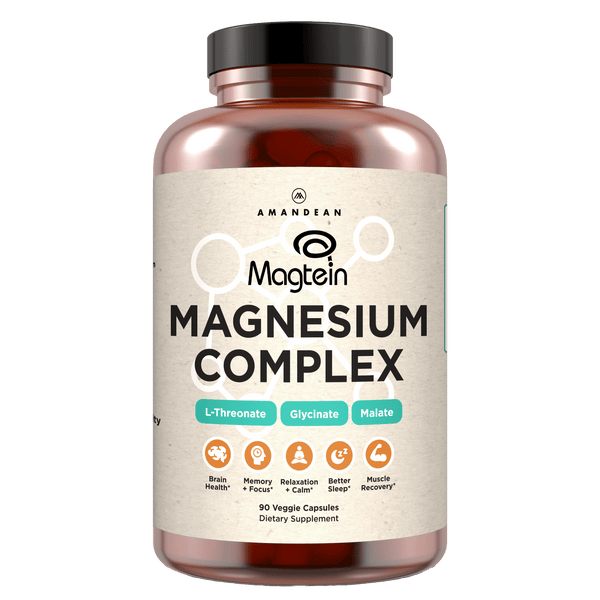







Magnesium is an essential mineral that plays a starring role in over 300 biochemical reactions in the body, including those tied directly to brain health and memory.¹ According to the National Institutes of Health, it’s involved in everything from nerve transmission and muscle contraction to enzyme function and energy production.³
In the brain, magnesium helps regulate neurotransmitters, the chemical messengers influencing everything from your focus to your stress levels. It also contributes to synaptic plasticity- how your brain forms new connections – a critical component in learning and memory. Researchers are paying close attention to magnesium’s potential in supporting cognitive function and even protecting against age-related decline.¹
You can find magnesium in many foods, including boiled spinach, roasted pumpkin seeds, raw carrots, apples, and more.³ However, modern diets often fall short, especially for people dealing with chronic stress, certain medications, or digestive conditions that impair absorption. That’s where supplementation can come in to help bridge the gap.
Magnesium is essential for keeping your brain adaptable and responsive. One of its most important roles is regulating synaptic plasticity – your brain’s ability to reorganize and form new connections. This adaptability is the foundation for learning, memory, and long-term cognitive function. Magnesium helps activate NMDA receptors, crucial for signal transmission between neurons. Without enough magnesium, these receptors can become overstimulated, impairing signaling and even causing neuronal damage.¹
Magnesium is often referred to as “nature’s chill pill” because of its role in regulating the body’s response to stress. It influences the hypothalamic-pituitary-adrenal (HPA) axis, which controls how your body reacts to stress. Adequate magnesium levels may help balance mood and improve emotional resilience by calming neural excitability and reducing the release of stress hormones like cortisol.⁵
Magnesium is also involved in maintaining the structural integrity of the blood-brain barrier, which protects your brain from harmful substances. It helps limit neuroinflammation and may support the prevention of age-related cognitive decline. Emerging evidence even suggests that magnesium deficiency could be linked to a higher risk of developing neurodegenerative diseases like Alzheimer’s.²
Each form of magnesium offers unique benefits based on how it's absorbed and where it acts in the body. Here’s a quick breakdown of some of the most common types:
If you're looking to support your brain and body with a well-rounded, highly bioavailable blend, Amandean’s Magnesium L-Threonate Complex with Magtein® combines three of the most effective forms: Magtein® Magnesium L-Threonate, Magnesium Bisglycinate Chelate (Albion® TRAACS®), and DiMagnesium Malate (Albion® TRAACS®).
Each ingredient is chosen for its specific benefits. Magtein® is the only form shown to effectively cross the blood-brain barrier, making it a promising option for cognitive support. Meanwhile, Glycinate is often used to encourage relaxation and sleep. Finally, Malate assists with energy production and muscle recovery.⁴⁻⁶
With 270 mg of elemental magnesium per 3-capsule serving, this formula is thoughtfully designed to promote calm, focus, and balanced energy throughout the day. It’s free from unnecessary additives, uses vegan capsules, and includes only clean, pharmaceutical-grade ingredients. Whether you're navigating brain fog, managing everyday stress, or aiming to age gracefully, Amandean’s Magnesium Complex may offer targeted support for both body and mind.
While magnesium might not get the same spotlight as vitamin D or omega-3s, its impact on brain function, mood balance, and cellular energy is backed by a growing body of evidence. Fortunately, you don’t need a major dietary overhaul to increase your intake—just a few intentional choices throughout your day.
Incorporating more magnesium doesn’t mean overhauling your entire diet. Just think of it as making a few tasty upgrades to your routine. After all, your brain deserves VIP treatment!
Read also:
Sources:
The Recommended Dietary Allowance (RDA) for magnesium ranges from 310mg to 420 mg daily for most adults, depending on age and gender.³ While meeting this baseline is essential for overall health, individuals looking to support brain function may benefit from aiming toward the higher end, especially if diet alone falls short. That said, more isn't always better. It's best to talk to your healthcare provider before increasing your intake, particularly if you manage medications or a medical condition.
For cognitive benefits, bioavailability matters. Not all magnesium supplements are absorbed equally well. Magnesium L-threonate, in particular, is recognized for its ability to cross the blood-brain barrier and may support learning, memory, and executive function.⁵ Magnesium glycinate is another excellent option, especially for cognitive and calming benefits.⁴ Magnesium malate may support energy production at the cellular level, which indirectly supports mental clarity.⁶ A supplement combining these forms, like Amandean’s Magnesium L-Threonate Complex, offers a well-rounded approach to brain and whole-body wellness.
While supplementation can help fill nutritional gaps, food should still be your foundation. Magnesium-rich foods include leafy greens, pumpkin seeds, almonds, black beans, quinoa, and yes, dark chocolate. Prioritizing whole, minimally processed foods helps maintain healthy magnesium levels naturally.
Sadly, more isn’t always better. Magnesium from food sources is generally self-limiting, but excessive intake from supplements can lead to digestive issues like diarrhea and nausea, and, at very high doses, can affect heart rhythm or kidney function.³ If you have kidney disease or are taking medications that affect electrolyte balance, talk to your provider before supplementing.
It sure does! Magnesium absorption may decrease as we age; some people may need more to maintain optimal levels. For adults over 50, maintaining adequate magnesium intake is especially important for supporting memory, sleep quality, and overall cognitive function.
Magnesium doesn’t work like caffeine – you won’t feel a jolt of clarity overnight. However, over time, consistent intake of a high-quality supplement can support mood, sleep, focus, and memory. Some people begin noticing benefits in as little as 1 to 2 weeks, with more noticeable changes occurring after a month or two of steady use.