
Your Cart is Empty


Key Takeaways
-
Collagen’s Role in Skin Structure:Collagen is a crucial protein for maintaining skin’s smoothness and elasticity, but its production declines due to age and lifestyle factors.
-
Lifestyle Impacts on Collagen:Habits like sun exposure, smoking, and stress management can influence collagen levels and overall skin health.
-
Ingestible vs. Topical Collagen:Ingestible collagen supplements have shown more effectiveness in supporting skin compared to topical collagen products.
What Collagen Really Does For Your Skin
If you’ve ever found yourself scrolling through beauty tips at midnight, you’ve probably seen countless claims about collagen. Supermodels swear it’s their secret to that picture-perfect glow, TikTok teens sneak it into their breakfast smoothies, and wellness gurus promise it’s the key to a brighter complexion. But what can collagen do for skin? And more importantly, does it actually deliver?
At Amandean, we’re here to go beyond skin-deep. Whether you’re a hardcore biohacker, a glow-obsessed beauty lover, or simply want to keep your skin looking radiant as the years tick by, we’re breaking down the science of what collagen does for your skin in this article. We’ve traveled far and wide to carefully source the purest collagen, so you can feel confident about what you’re putting in your body — no filter needed. Meet the super-ingredient your skin has been waiting for, and see how the right collagen could become your ultimate sidekick for healthy, resilient skin.
Collagen: Your Skin's Best Friend
Collagen makes up about 25% to 35% of total protein mass in mammals, with at least 29 different types described so far.1 You’ll find it woven throughout your bones, tendons, ligaments, hair, skin, and muscles.1-2 Types I, II, and III account for around 80% to 90% of all collagen in the human body, with type I being the star player in your skin (about 80%).1 This mighty protein helps maintain skin strength, elasticity, and resilience throughout your entire body, so you can bend, stretch, and shine with confidence.1
Hydrolyzed Collagen Makes a Difference
Hydrolyzed collagen is collagen that’s been broken down into tiny chains called peptides.2 Thanks to this process, these smaller molecules have an easier time blending smoothly into food and drink, plus your body can more easily absorb them compared to regular collagen.2
You’ll find hydrolyzed collagen at Amandean from clean sources like pasture-raised cows and wild-caught whitefish (cod, haddock, pollock, hake). Once absorbed, these peptides may help support healthy skin, joints, and overall wellness — think of them as tiny helpers that provide your body with the building blocks it needs to stay strong and feel good.*
Why Your Skin Loves Collagen
As we age, collagen production naturally declines.3 Factors like excess sun exposure, smoking, and poor sleep can further speed up this decline (we’ll get more into this in the next section).3 Over time, collagen in your skin shifts from a tight, organized network into a more chaotic maze. This breakdown is a major reason why fine lines and wrinkles show up uninvited. When collagen levels drop, your skin loses some of its smoothness and bounce, making it more prone to sagging and textural changes.3
Research suggests that taking hydrolyzed collagen may help support your skin’s natural repair processes from the inside out.1 Once ingested, these peptides can provide your body with important building blocks for collagen production and may even help stimulate new collagen and other skin-supporting molecules like elastin and hyaluronic acid.1 Elastin helps keep skin flexible and resilient, while hyaluronic acid helps maintain deep hydration and plumpness.
Clinical studies have shown that consistent collagen supplementation is associated with benefits like improved skin hydration, increased elasticity, and a reduction in visible wrinkles over time.1 While it isn’t a magical fix, supporting collagen levels from within can help maintain the firm, smooth skin you love, so you can keep that confident glow for years to come.1
How Amandean Collagen Stands Out
At Amandean, we focus on ultra-clean, selectively sourcedcollagen peptides that are easy to mix into your daily routine. There are no sugary additives or mystery ingredients — just the high-quality stuff your skin craves.
For example, our premiumbovine collagen comes from pasture-raised, grass-fed cows in South America. This Type I & III collagen blend delivers 10 grams of pure protein per scoop, packed with 18 amino acids — including glycine and proline, which are essential for building collagen’s unique structure and supporting skin’s firmness and elasticity.4 Glycine appears every third position in collagen’s chain, helping maintain its stability, while proline (along with its derivative hydroxyproline) plays a key role in keeping skin strong, hydrated, and resilient as we age4
Even better? All of our collagen powders dissolve seamlessly into your coffee, smoothies, and recipes without clumping or leaving an aftertaste. Whether you’re looking to support graceful aging, boost your active lifestyle, or simply feel fuller for longer, Amandean’s collagen is designed to slip effortlessly into your day.*

Factors That Affect Your Skin's Collagen Levels
Wondering why your skin might not feel as firm and bouncy as it used to? Collagen levels naturally decline over time, but there are quite a few factors — both inside and out — that can speed things up. Here are some of the main culprits to keep on your radar:
-
Natural Aging:Over time, our bodies make less collagen, and the quality of what we do produce declines.1-2,5 This is part of normal, intrinsic aging driven by your genetics and cellular changes.5
-
Genetics:Your DNA also plays a big role. Some people are genetically predisposed to lose collagen faster or have skin that shows signs of aging earlier than others.5
-
Hormonal Changes:Shifts in hormones (especially duringmenopause) can lead to reduced collagen production, thinning skin, and more pronounced wrinkles.5
-
Oxidative Stress:When your body produces more reactive oxygen species (ROS) than it can handle, it causes oxidative stress. This damages skin cells and breaks down collagen and elastin, contributing to sagging and a rough texture.5
-
Sun Exposure (UV Radiation):Those long days in the sun might feel good, but UV rays break down collagen fibers and trigger the production of enzymes that degrade existing collagen. This can cause sun damage orphotoaging, which is a major cause of fine lines, wrinkles, and loss of elasticity.5
-
Pollution:Environmental pollutants can generate free radicals that attack your skin’s collagen, speeding up signs of aging and making skin appear dull or uneven.5
-
Lifestyle Habits:Smoking, excess alcohol, poor diet, and lack of sleep can all negatively impact your body’s ability to produce and maintain healthy collagen levels. A nutrient-rich diet and good sleep hygiene help support your skin from the inside out.5
While you can’t stop time (or swap genes), recognizing these factors empowers you to make smarter choices like wearing SPF, managing stress, and incorporating high-quality collagen supplements into your diet. Little by little, these choices can stack up to keep your skin’s collagen (and its glow) going strong.

Topical vs. Ingestible Collagen: What's More Effective?
Let’s set the scene: You’re standing in a beauty aisle, overwhelmed by bottles of creams and serums that promise to “boost collagen” overnight. But do they actually work?
Why Do Topicals Fall Short?
While it’s tempting to simply slather on a miracle potion and wake up with firmer, bouncier skin, here’s the catch: Collagen molecules are large. In fact, they’re often too large to penetrate the skin’s outer layers. According to the Harvard School of Public Health, topical collagen can't actually absorb deeply enough to reinforce or rebuild your natural collagen network.2 While these creams can help hydrate the skin's surface, they don’t reach the root of firmness and elasticity.
Why Oral Collagen Steals the Spotlight
Oral collagen supplements (like powders and capsules) work from the inside out, making them a more effective alternative to topical treatments. At Amandean, we use hydrolyzed collagen (also called collagen peptides), which is collagen broken down into smaller, more digestible chains. Once consumed, these peptides are absorbed in the digestive tract, circulate in the bloodstream, and can be delivered to deeper skin layers, providing building blocks like glycine and proline to support collagen structure and elasticity.4
What the Science Says
Oral hydrolyzed collagen has become one of the most promising ways to help maintain skin hydration and firmness over time.4 Studies show that after ingestion, small collagen peptides can be detected in the bloodstream and may be deposited into the skin, where they contribute to a more resilient, hydrated appearance.4
A comprehensive review of 26 randomized controlled trials involving over 1,700 participants found that hydrolyzed collagen supplements significantly improved skin hydration and elasticity compared to a placebo.4 Long-term use (8 weeks or more) showed the most pronounced benefits, highlighting that consistency is key.4
Easy to Use, Easy to Love
Oral collagen supplements are especially popular because they’re simple to weave into your daily routine — no complicated steps required. Amandean’s collagen stands out for its ability to mix easily into any drink (even plain water!) or food without leaving chalky lumps or affecting the taste of your favoriterecipes.
Amandean’sMarine Collagen Peptides takes this convenience to the next level. Developed with sustainably-sourced whitefish from the pristine North Atlantic, this unflavored, single-ingredient formula is non-GMO and comes in a convenient,travel-sized stick pack form. It’s rich in glycine (known as the "graceful-aging amino") and proline, which may help support smooth skin, strong nails, and shiny hair as you age.* Plus, it’s an excellent option for those following a pescatarian or high-protein diet, offering a clean alternative to beef collagen or whey protein. With no sugar, gluten, soy, dairy, fat, or carbs, Amandean Marine Collagen makes supporting your wellness as effortless as drinking your morning coffee.*

Final Thoughts
So, what does collagen do for skin? Quite a lot, actually! It’s your skin’s natural beauty filter, quietly working behind the scenes to help maintain that coveted youthful glow.* As we age, our natural collagen levels start to decline, which can lead to less elasticity and the formation of fine lines and wrinkles. The good news? Adding a high-quality collagen supplement, like Amandean’s marine or bovine collagen, may help you reclaim some of that bounce and brightness time has tried to steal away.
But here’s the thing: If you're aiming for radiant, resilient skin, you want a clean formula free from artificial sweeteners, GMOs, or fillers. That’s exactly why Amandean’s premium supplements stand out: sustainably sourced, carefully crafted, third-party tested, and designed to mix seamlessly into your everyday meals.
The world is full of shortcuts and quick fixes, but when it comes to supporting your skin, it pays to choose wisely. So, go ahead, be selective, be consistent, and let collagen do what it does best. Because feeling your best from the inside out? We call that the ultimate glow-up.
Read also:
-
How Much Collagen Should You Take Each Day For Visible Results?
-
How Long Does It Take For Collagen Supplements To Start Working?
Frequently Asked Questions About What Collagen Does For Skin
What are the different types of collagen?
Collagen’s not a one-trick pony. There are at least 16 types, but for skin, Types I and III are the stars.1 Type I supports skin strength, hair, and nails, while Type III plays a key role in skin elasticity and hydration.1 Amandean’s collagen peptides contain mostly Types I and III, the dynamic duo your skin has been waiting for.
Is collagen beneficial for all skin types?
Short answer: Yes! Whether your skin is dry, oily, combination, or normal, collagen has something to offer. It helps keep your skin structure strong and resilient, like internal scaffolding that supports firmness and elasticity. People with all skin types can possibly benefit from this foundational support. At Amandean, our carefully sourced collagen peptides aren’t picky about skin type, just about quality.
How long does it take for collagen to work on my skin?
While everyone is unique, most people start to notice smoother, more radiant-looking skin in about 4 to 6 weeks, with continued benefits over time.* Consistency is key. Stick to your routine, and let those peptides do their supportive work in the background.
Does collagen help with skin hydration?
Absolutely! Collagen plays a big role in helping your skin retain moisture and look supple.1 By supporting the skin’s structure, collagen may help maintain hydration levels.1 So, you can say hello to dewy, healthy-looking skin and wave farewell to dryness. Amandean’s hydrolyzed collagen peptides are designed for optimal absorption, making it easier for your body to put those hydrating benefits to work.
What foods are high in collagen?
Craving a collagen boost but don’t feel like mixing a powder? Foods like bone broth, fish skin, chicken skin, beef, and egg whites are all natural sources. But if you’re looking for an easy, clean, and unflavored option, Amandean’s premium collagen peptides dissolve seamlessly into your favorite drinks and meals, no stock pot required.
Are there vegan sources of collagen?
Unfortunately, true collagen is only found in animal sources (like cows and fish). However, plant-powered people may find benefits in “collagen boosters” that help support their body’s natural collagen production.
Sources:
-
Campos, L. D., Santos Junior, V. A., Pimentel, J. D., Carregã, G. L. F., & Cazarin, C. B. B. (2023). Collagen supplementation in skin and orthopedic diseases: A review of the literature. Heliyon, 9(4), e14961.https://doi.org/10.1016/j.heliyon.2023.e14961
-
León-López, A., Morales-Peñaloza, A., Martínez-Juárez, V. M., Vargas-Torres, A., Zeugolis, D. I., & Aguirre-Álvarez, G. (2019). Hydrolyzed collagen—Sources and applications. Molecules, 24(22), 4031.https://doi.org/10.3390/molecules24224031
-
Harvard T.H. Chan School of Public Health. (n.d.). Collagen. The Nutrition Source. Retrieved June 4, 2025, fromhttps://nutritionsource.hsph.harvard.edu/collagen/
-
Pu, S. Y., Huang, Y. L., Pu, C. M., Kang, Y. N., Hoang, K. D., Chen, K. H., & Chen, C. (2023). Effects of oral collagen for skin anti-aging: A systematic review and meta-analysis. Nutrients, 15(9), 2080.https://doi.org/10.3390/nu15092080
-
Hussein, R. S., Bin Dayel, S., Abahussein, O., & El-Sherbiny, A. A. (2025). Influences on skin and intrinsic aging: Biological, environmental, and therapeutic insights. Journal of Cosmetic Dermatology, 24(2), e16688.https://doi.org/10.1111/jocd.16688
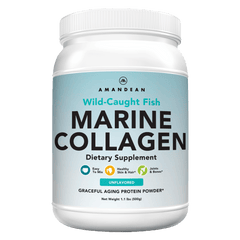
Premium Marine Collagen Powder 17.6 Oz
Graceful aging fish collagen powder sustainably sourced from wild-caught whitefish (cod, pollock, haddock, hake) in...
$47.95
Shop Now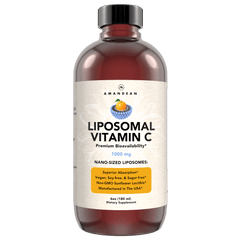
Premium Liposomal Vitamin C (6oz) - Liquid Formula
It may help support overall wellness with high-bioavailability liposomal vitamin C (Quali®-C).
$29.95
Shop NowOther helpful links
- Cognitive Longevity: What Actually Slows Brain Aging (and What's Just Marketing)
- Screen Time Is Aging Your Eyes: What Lutein and Zeaxanthin Actually Do
- Eye Vitamins Without Zinc: Who They're For and Why They Exist
- Menopause and Muscle: Why Strength Training (and the Right Stack) Actually Matter After 40
- Magnesium Glycinate vs. L-Threonate: Separating the TikTok Trend from the Research