
Your Cart is Empty


Key Takeaways
-
How Marine Collagen Works Beneath the Surface: Marine collagen is primarily composed of Type I peptides, which are efficiently absorbed into the bloodstream and delivered to the skin’s dermal layer. Once there, these peptides help strengthen the collagen matrix, encourage elasticity, and maintain hydration for a smoother, more resilient complexion.
-
Bioactive Peptides and How They Contribute to Skin Repair: Bioactive peptides are short chains of amino acids that signal the body to increase collagen production. With marine collagen, Type I and Type III peptides work together to restore firmness, support tissue regeneration, and improve the appearance of fine lines and uneven texture.
-
How Marine Collagen Boosts Moisture from Within: Marine collagen helps reinforce the skin’s moisture barrier, allowing it to retain water more effectively. Consistent use can lead to better hydration, suppleness, and luminosity, making it a valuable addition to both men’s and women’s daily self-care routines.
Marine Collagen Benefits That Make It a Skincare Favorite
Everyone wants a complexion that glows brighter than their phone screen at midnight. Yet in the endless scroll of claims and internet “miracle” fixes, one ingredient has earned a top spot both on shelves and in skincare routines:marine collagen. Marine collagen is a powerhouse protein, selectively sourced from wild-caught fish and ready to help nourish skin, hair, nails, and joints.
At Amandean, we’re obsessed with finding the cleanest, most bioavailable marine collagen on Earth. We’re sharing all the marine collagen benefits you need to know and why your future self will thank you for catching this wave.
How Marine Collagen Works Beneath the Skin’s Surface
Collagen is the most abundant protein in the human body, forming a framework that helps maintain skin firmness, joint flexibility, and the integrity of connective tissues3,4. Of the different types of collagen, Type I is the most prevalent, making up about 90% of the collagen in your skin, hair, nails, bones, and ligaments2,3. This structural protein acts like scaffolding, giving tissues their shape and resilience while helping them withstand stretching.
As we age, natural collagen production slows, leading to visible changes in skin elasticity, joint comfort, and even hair strength3. This is where dietary collagen supplementation, particularly in the form ofmarine collagen powder, can help replenish the building blocks your body needs to maintain its natural structure2.
Why Marine Collagen Is a Bioavailable Powerhouse
Marine collagen is composed primarily of Type I collagen peptides, which have a smaller molecular size than peptides from bovine or porcine sources. This smaller size allows them to be absorbed more efficiently through the digestive tract and transported via the bloodstream to target tissues, including the dermal layer of the skin.
Once absorbed, these peptides can signal fibroblasts, the specialized cells responsible for collagen synthesis, to increase production. This “signal effect” helps replenish the skin’s structural network from within, supporting elasticity, firmness, and hydration. Over time, consistent supplementation may help reduce the appearance of fine lines and maintain a smoother texture.
The Journey to Powerful Results You Can See
After consumption, marine collagen peptides begin their journey in the digestive tract, where enzymes break them down into smaller fragments. These fragments enter the bloodstream and are distributed to tissues with high collagen turnover, most notably the skin. Over weeks of regular intake, these peptides contribute to a denser, more resilient collagen matrix, helping skin appear plumper, smoother, and more hydrated.

Bioactive Peptides: The Secret Sauce for Skin Repair
Bioactive peptides are short chains of amino acids derived from collagen that have been broken down into a size small enough for efficient absorption through the digestive tract. Once absorbed, they travel via the bloodstream to targeted tissues, including the skin’s dermal layer, where they act as messengers. These peptides signal fibroblasts, the cells responsible for collagen synthesis, to increase production.
This signaling process helps restore the skin’s structural network from within, contributing to firmer texture, improved elasticity, and enhanced hydration. Regular supplementation withmarine collagen introduces a consistent supply of these peptides, supporting the body’s natural repair cycle and encouraging more resilient skin over time.
Different Types of Collagen Peptides in Marine Collagen
Marine collagen is rich in two key peptide types that contribute to skin health. Together, these peptide types help strengthen the skin’s matrix, reduce the appearance of fine lines, and accelerate tissue repair after environmental stress.
-
Type I Peptides: The primary form in marine collagen, essential for skin firmness, wound healing, and maintaining the structure of connective tissues.
-
Type III Peptides: Often present alongside Type I, these peptides contribute to skin elasticity and help preserve the structure of blood vessels.
Amino Acids That Fuel the Repair Process
Marine collagen also offers a unique amino acid profile, particularly rich in glycine, proline, and hydroxyproline. These amino acids are integral to forming stable collagen fibers and play a critical role in maintaining skin elasticity and hydration. Glycine aids in repairing damaged tissue, proline contributes to wound healing, and hydroxyproline supports collagen stability1. This combination helps skin recover more efficiently after sun exposure, dryness, or other environmental stressors.
Additionally, research also shows that marine collagen peptides may help with calcium and zinc absorption, two minerals vital for bone strength and osteoporosis prevention1. This added benefit makes marine collagen a versatile supplement for whole-body connective tissue health.
Hydration Hero: How Marine Collagen Boosts Moisture from Within
Skin’s natural collagen production declines over time³,4, which affects the dermal structure responsible for holding moisture. This slowdown can leave skin looking dull, flaky, or tired, even when topical moisturizers are part of your daily routine. That’s why supplementing withmarine collagen powder introduces the amino acids needed to help replenish lost collagen and strengthen the skin’s moisture barrier.3,4
For women navigating visible signs of aging, like fine lines or a loss of suppleness,best collagen for women can help replenish amino acids that strengthen the skin’s moisture barrier and restore a more radiant appearance³,4. Likewise,collagen for men offers targeted hydration support to address dryness from frequent shaving or environmental stress. Remember: a healthier barrier means water is better retained, reducing dryness and helping skin appear smoother and more resilient.
How Marine Collagen Helps Skin Retain Moisture
Marine collagen powder contains peptides small enough to be absorbed efficiently into the bloodstream. Once there, they can reach the dermal layer, where they help reinforce collagen fibers that keep skin plump and elastic. This structural support allows the skin to hold more water, resulting in better hydration and resilience. Research suggests that consistent collagen supplementation can lead to a more luminous and elastic complexion–hydration that comes from within, rather than sitting only on the surface.
The Role of Humectant Properties
In addition to its role inside the body, collagen also acts as a humectant when applied topically³. Humectants draw moisture from the environment into the skin, helping maintain hydration levels at the surface. While topical collagen products like creams and serums can provide short-term moisture benefits, combining them with oral supplementation creates a solid hydration strategy.
Beyond Beauty: Medical and Cosmetic Applications
Collagen’s moisturizing qualities are valuable beyond daily skincare routines. Nowadays, healthcare professionals use collagen-based materials in treating wounds, burns, and diabetic ulcers thanks to their ability to retain moisture. Cosmetic companies also incorporate collagen into hydrating products for its humectant benefits³. These uses reinforce its reputation as both a functional and restorative ingredient in skin health.

When to Expect Results and How Much to Take
Collagen works from the inside out, rebuilding the skin’s structural matrix rather than providing a quick surface fix. For most people, visible changes, such as smoother texture, improved elasticity, and a more hydrated complexion, can appear within 4 to 8 weeks of consistentmarine collagen supplementation,³. Hair and nail improvements often follow between 8 and 12 weeks, as these tissues have a slower renewal cycle³.
Recommended Daily Serving
Research suggests a daily serving of 2.5 to 10 grams of marine collagen is effective for supporting skin hydration, elasticity, and repair¹,³. In practical terms, this equals about one scoop or packet mixed into your favorite drink, smoothie, or yogurt. Integrating collagen into a routine makes it easier to maintain steady levels in the body, which is important for seeing cumulative results.
The Case for Nighttime Collagen
Adding collagen to your evening routine can be particularly beneficial for hydration and recovery while you sleep. During rest, the skin undergoes its most active repair cycle, and hydration helps maintain collagen fiber strength and resilience³. Collagen’s amino acid profile includes glycine, which has naturally calming properties, making nighttime supplementation a relaxing addition to your wellness routine. Learn more about thebenefits of taking collagen at night and how it can complement your skincare and recovery goals.
Important Considerations
While marine collagen is generally well-tolerated³, anyone who is pregnant, breastfeeding, or allergic to fish should consult a healthcare professional before adding it to their diet. Paying attention to how your body responds can help you fine-tune timing and serving size for your personal needs.

Final Thoughts
At the end of the day, we all want a little more radiance, resilience, and real results from our skincare, andmarine collagen isn’t just a momentary trend splashing across your Instagram feed. Instead, it’s a bioavailable, beauty-boosting hero that works hard. From plumping up your skin’s moisture barrier to helping your hair and nails go the distance, the benefits are as vast as the ocean itself.
Quality matters, and not all collagen is sourced or formulated the same way. At Amandean, our team is committed to selecting only the purest, most bioavailable marine collagen, free from artificial sweeteners, GMOs, and unnecessary fillers. Every batch is made with clean, sustainably sourced ingredients and third-party lab tested for purity.
Read also:
-
How Much Collagen Should You Take Each Day For Visible Results?
-
How Long Does It Take For Collagen Supplements To Start Working?
Frequently Asked Questions About Marine Collagen Benefits
Does marine collagen help with wrinkles?
Absolutely! Marine collagen delivers bioavailable peptides that help nourish the skin’s natural collagen matrix¹,². This process can plump the appearance of fine lines and encourage a more elastic, resilient complexion. Over time, consistent use ofmarine collagen powder can help maintain smoother skin that reflects hydration and healthy structure from within.
Does marine collagen help with sagging skin?
Yes! Marine collagen can help reinforce skin firmness by supplying amino acids that stimulate fibroblasts, the cells responsible for collagen production¹. With regular supplementation, skin may appear more lifted and sculpted as elasticity improves. This benefit is relevant for both men and women, whether addressing age-related changes or post-weight-loss skin laxity.
Can marine collagen be used with other skincare products?
Definitely! Yes. Collagen supplementation works well alongside a topical skincare routine. Addingmarine collagen to your daily diet can help support hydration and structure from within, while serums and moisturizers help maintain the skin barrier at the surface³. Combining internal and topical care creates a more complete approach to skin health.
Are there side effects to using marine collagen?
Marine collagen is generally well-tolerated. However, individuals with a fish or marine allergy should avoid it. Most users experience no negative effects when taking the recommended serving size, and many find it easy to incorporate into drinks, smoothies, or recipes without altering flavor.
Does marine collagen stimulate natural collagen production?
You bet! Marine collagen peptides can signal fibroblasts to increase collagen synthesis¹. This helps the body maintain a stronger dermal matrix, which supports firmness, elasticity, and hydration. This stimulation process is gradual, with visible changes typically appearing after several weeks of consistent use.
Are marine collagen supplements better than topical solutions?
Topical products can provide surface hydration, but collagen supplements reach the dermal layer through the bloodstream. This deeper delivery allows peptides to help rebuild collagen fibers from within, which is similar to nourishing a plant at the roots instead of only misting its leaves. Using both approaches together can deliver complementary benefits.
Can marine collagen help with acne scars?
Indeed. Marine collagen’s role in skin regeneration means it can contribute to a smoother texture and improved appearance of older scars over time. Results require patience and consistency, since scar tissue remodeling is a slow biological process.
Can marine collagen support hair and nail health?
Heck yes! In addition to skin benefits, marine collagen supplies amino acids like glycine and proline that help strengthen hair and nails¹,2. Regular use can lead to stronger strands, reduced breakage, and nails that are less prone to splitting.
What’s the recommended starting dosage for marine collagen?
A common starting point is one serving, typically around 10 grams daily. At Amandean, we recommend integrating this serving into your regular routine, whether in a morning coffee, smoothie, or evening tea, to help maintain steady collagen levels. Some people also take collagen at night, as discussed in ourbenefits of taking collagen at night guide, which aligns with the skin’s natural overnight repair cycle.
Sources:
-
Geahchan, S., Baharlouei, P., & Rahman, A. (2022). Marine collagen: A promising biomaterial for wound healing, skin anti-aging, and bone regeneration. Marine Drugs, 20(1), 61.https://doi.org/10.3390/md20010061
-
Jafari, H., Lista, A., Siekapen, M. M., Ghaffari-Bohlouli, P., Nie, L., Alimoradi, H., & Shavandi, A. (2020). Fish collagen: Extraction, characterization, and applications for biomaterials engineering. Polymers, 12(10), 2230.https://doi.org/10.3390/polym12102230
-
Healthline. (n.d.). Collagen. In Healthline. Retrieved June 4, 2025, fromhttps://www.healthline.com/nutrition/collagen
-
Harvard T.H. Chan School of Public Health. (n.d.). Collagen. In The nutrition source. Retrieved June 4, 2025, fromhttps://nutritionsource.hsph.harvard.edu/collagen/
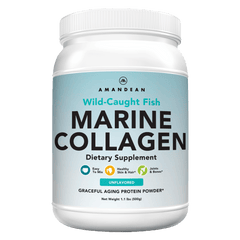
Premium Marine Collagen Powder 17.6 Oz
Graceful aging fish collagen powder sustainably sourced from wild-caught whitefish (cod, pollock, haddock, hake) in...
$47.95
Shop Now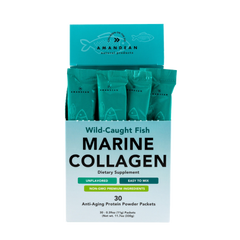
Wild-Caught Marine Collagen - 30 Individual Stick Packs
Marine Collagen Powder for daily wellness. Easy-to-use packets, sustainably sourced from wild-caught whitefish (cod, pollock,...
$43.95
Shop NowOther helpful links
- Cognitive Longevity: What Actually Slows Brain Aging (and What's Just Marketing)
- Screen Time Is Aging Your Eyes: What Lutein and Zeaxanthin Actually Do
- Eye Vitamins Without Zinc: Who They're For and Why They Exist
- Menopause and Muscle: Why Strength Training (and the Right Stack) Actually Matter After 40
- Magnesium Glycinate vs. L-Threonate: Separating the TikTok Trend from the Research