
Your Cart is Empty


Key Takeaways
-
Perks of Using Marine Collagen: Marine collagen is naturally rich in Type I collagen, the primary protein for skin elasticity, hair strength, and nail strength. Its smaller peptides allow for faster absorption3, making it a solid choice for skincare and pescatarians.
-
Strengths of Using Bovine Collagen: Bovine collagen, derived from grass-fed, pasture-raised cows, offers both Type I and Type III collagen4. This combination helps maintain skin structure while reinforcing muscles, connective tissues, and joints.
-
Potential Dietary Considerations Between the Two: Marine collagen is not suitable for individuals with fish or shellfish allergies, while bovine collagen should be avoided by those with beef allergies or who don’t consume red meat.
Marine Collagen vs. Bovine Collagen and How to Choose the Right One
In the search for wellness supplements, collagen often comes up as a game-changer for skin vitality, joint comfort, and overall resilience. The question is,do you reach for marine collagen sourced from wild-caught fish, or opt for bovine collagen from grass-fed, pasture-raised cows? While both bring unique benefits, the choice comes down to you.
At Amandean, our team sources collagen with care, ensuring every product meets the highest standards for purity, bioavailability, and sustainability.
In this post, we’ll break down the differences between marine and bovine collagen so you can decide whether you’re seeking that fresh, post-vacation glow, keeping your joints strong for weekend hikes, or simply wanting a supplement that aligns with your values.
Type I, II, & III: Matching Collagen Types to Your Goals
While there are more than two dozen types of collagen in the body, three are most relevant to beauty, mobility, and vitality: Type I, Type II, and Type III1. Each plays a distinct role, and knowing where they’re found can guide you toward the collagen source that best matches your needs.
Type I Collagen: Skin Vitality and Hair Strength
Type I collagen makes up roughly 90% of the collagen in skin, hair, nails, bones, and teeth1. This collagen is responsible for firmness, elasticity, and that fresh-from-vacation glow. It’s especially abundant inmarine collagen sourced from wild-caught fish, which is valued for its smaller peptide size that allows for quick absorption. Marine collagen is a leading choice if your main goal is a beauty-forward routine that supports smooth skin, strong nails, and resilient hair.
Type II Collagen: Joint and Cartilage Care
Cleveland Clinic identifies Type II collagen is the primary protein in cartilage, including the cushioning found in joints and spinal discs1. Although more commonly sourced from chicken, trace amounts occur in bovine collagen. A bovine collagen supplement containing Type I and some Type II can be a practical choice for people who prioritize mobility, flexibility, and comfort during daily activities.
Type III Collagen: Elasticity and Muscle Recovery
Type III collagen often appears alongside Type I, helping maintain skin elasticity and strengthening muscles, organs, and blood vessels1. Research published inNutrients shows that specific collagen peptides, including those from bovine sources, can contribute to measurable changes in tissue health5. Bovine collagen naturally contains Type I and Type III, making it a versatile option for those balancing beauty benefits with muscle recovery and overall vitality.

Benefits of Using Marine Collagen for Type I Collagen
Marine collagen, sourced from the skin and scales of wild-caught fish, delivers a concentrated dose of Type I collagen, the most abundant collagen type in the human body and the key structural protein for skin, hair, nails, bones, and teeth1.
Compared to collagen from land animals, the peptide size inmarine collagen powder is smaller, which research shows can result in faster absorption and utilization3. For anyone looking to replenish collagen efficiently, this bioavailability advantage can mean quicker visible benefits and stronger long-term support for skin health.
Targeted Beauty Benefits for Hair, Skin, and Nails
Marine collagen provides the amino acids your body naturally uses to replenish its collagen stores, which may help smooth fine lines, maintain skin elasticity, and hydrate the skin barrier hydrated3. Its Type I focus also supports hair strength and nail resilience, making it an excellent fit for those choosing a collagen regimen with beauty as the primary goal. For women seeking a premium, high-absorption option, thebest collagen for women offers a direct route to these benefits without unnecessary fillers or additives.
Gentle on Digestion and Compatible with More Lifestyles
Because of its lighter peptide structure, marine collagen is often easier to digest, making it a preferred choice for those with sensitive stomachs or food sensitivities. It’s also naturally free from dairy and gluten. Marine collagen offers a clean, high-protein supplement for pescatarians that aligns with dietary preferences while still delivering meaningful collagen support.
Bone Health and Structural Strength
Type I collagen plays a vital role in bone density and structural integrity1. Because marine collagen is absorbed efficiently, it can be a strategic option for supporting bone health over time. This makes it an appealing choice for active individuals and those looking to maintain strong bones alongside skin and joint benefits.
Sustainability Advantages
Marine collagen production often utilizes fish parts that are otherwise discarded, adding economic value to by-products and reducing waste2. For eco-conscious consumers, this sourcing method provides a way to support personal wellness and environmental responsibility simultaneously.

Benefits of Using Bovine Collagen for a Balanced Blend of Types I & III
Born from the hides and connective tissues of grass-fed, pasture-raised cows, bovine collagen delivers a unique combination of Type I and Type III collagen4. These two types reinforce skin, hair, nails, muscles, and connective tissue. Since the collagen in skin is composed of Types I and III4, this profile makes bovine collagen ideal for those seeking beauty benefits alongside deeper structural support.
Comprehensive Skin and Tissue Benefits
Research shows that pairing Type I and Type III collagen can help maintain skin elasticity, reduce the appearance of fine lines, and improve hydration levels4. This dual-type composition also strengthens muscle fibers and supports the connective tissues that keep the body moving with ease. For individuals looking for a versatile option that addresses surface-level appearance and internal resilience,collagen for men can be an excellent fit.
Bone and Joint Reinforcement
Beyond its role in beauty, bovine collagen delivers amino acids essential for the integrity of cartilage and the bone matrix4. This makes it a practical choice for people who want to keep their joints comfortable and maintain bone strength for activities ranging from running to yoga. Bovine collagen's steady supply of glycine and proline contributes to tissue repair and long-term mobility.
Digestive Health and Overall Vitality
Emerging evidence suggests that collagen peptides from bovine sources may help maintain a healthy gut lining4. Glycine, an essential amino acid, supports digestive function and plays a role in sustaining the gut barrier. This makes it appealing for those interested in a collagen supplement that goes beyond surface-level perks to help maintain everyday vitality.
Potential Dietary Considerations and Side Effects of Collagen Supplements
While marine and bovine collagen are generally considered safe for healthy adults, particular dietary sensitivities and allergies can influence which type is right for you. Being aware of these factors can help you select the option that supports your wellness goals without unexpected discomfort.
Reactions to Marine Collagen
Marine collagen offers high bioavailability and rapid absorption3. However, it is unsuitable for anyone with fish or shellfish allergies. Even trace exposure can trigger an allergic response, so checking labels carefully is essential. Some new users may also experience mild digestive changes, such as bloating or a temporary feeling of fullness, as their body adjusts.
Reactions to Bovine Collagen
Collagen derived from grass-fed, pasture-raised cows contains a balanced blend of Type I and Type III collagen4. It is naturally free of fish allergens, which makes it suitable for those avoiding seafood. However, it should be avoided by individuals with beef allergies or those who eschew red meat for dietary or cultural reasons.

Final Thoughts
The discussion around marine collagen vs. bovine ultimately comes down to two main factors: the collagen types your body needs most and your dietary preferences. Those who prioritize Type I collagen for skin vitality, hair strength, and nail resilience may gravitate towardmarine collagen, particularly if they follow a pescatarian lifestyle or want a supplement with smaller peptides for efficient absorption3. For a balanced blend of Types I and III that supports both appearance and connective tissue strength, a bovine-based option can be a good fit.
No matter which type you add to your daily ritual, the quality of the source is what truly matters. At Amandean, our team selects only wild-caught marine collagen and grass-fed, pasture-raised bovine collagen, crafted for high bioavailability and made without unnecessary additives. Every serving reflects our commitment to purity, sustainability, and transparent sourcing.
Read also:
-
How Much Collagen Should You Take Each Day For Visible Results?
-
How Long Does It Take For Collagen Supplements To Start Working?
Frequently Asked Questions About Marine Collagen vs. Bovine Collagen
What’s the main differences between marine and bovine collagen?
Amandean’s Marine Collagen is sourced from fish skin, while bovine collagen comes from the hides of grass-fed, pasture-raised cows. At Amandean, we sourcemarine collagen from wild-caught North Atlantic whitefish and bovine collagen from pasture-raised South American cattle to maintain purity and quality. Both types deliver Type I collagen, but bovine collagen also contains Type III, which plays a role in muscle, skin, and connective tissue health4. Marine collagen is primarily Type I, making it a strong option for beauty-focused routines.
Which type of collagen supports skin health more?
For elasticity, hydration, and a radiant complexion, marine collagen’s high Type I content makes it a standout1. Its smaller peptide size compared to collagen from land animals allows for faster absorption, which can help deliver amino acids to the skin more efficiently3. While bovine collagen still contributes to skin health, marine collagen may be the preferred choice for a beauty-centered approach.
Is marine collagen better for hair and nails?
Yep, this is where marine collagen tends to shine! Marine collagen is often favored for hair and nail strength because Type I collagen is the primary protein in these structures1. Ourmarine collagen powder is hydrolyzed for rapid absorption and blends easily into coffee, smoothies, or water without affecting taste.
Is bovine collagen better for joint and bone health?
Bovine collagen provides both Type I and Type III collagen, which supports connective tissues, bone density, and joint comfort4. This makes it a versatile choice for those looking to combine appearance benefits with performance and mobility support.
Are marine and bovine collagen absorbed differently by the body?
Marine collagen peptides are naturally smaller than bovine peptides, allowing faster absorption3. This can be advantageous for those seeking quick delivery of collagen’s building blocks to skin and connective tissue. Both types from Amandean are hydrolyzed to improve bioavailability, so either choice offers efficient absorption.
Which collagen is more suitable for pescatarians?
It's an easy choice. Marine collagen is the clear match for pescatarians since it is derived from fish and contains no beef products. Those avoiding seafood will prefer bovine collagen.
How do the costs compare between marine and bovine collagen?
Marine collagen typically costs more due to its sourcing and processing requirements3. Bovine collagen is more widely available and often priced lower. At Amandean, both types are crafted to deliver excellent value and premium quality, so your decision can be guided by collagen type and lifestyle needs rather than price alone.
What’s the recommended serving size, and how should I take it?
We recommend a daily serving of 10 grams of collagen peptides. Both marine and bovine collagens dissolve easily in hot or cold drinks and have a neutral flavor. For those who prefer a bedtime routine, you can mix your serving into tea or warm milk for a relaxing wind-down. Read more about thebenefits of taking collagen at night, and remember to stay consistent on dosing for the best results.
Sources:
-
Cleveland Clinic. (n.d.). Collagen. Cleveland Clinic.https://my.clevelandclinic.org/health/articles/23089-collagen
-
Silva, T. H., Moreira-Silva, J., Marques, A. L., Domingues, A., Bayon, Y., & Reis, R. L. (2014). Marine origin collagens and its potential applications. Marine drugs, 12(12), 5881–5901.https://doi.org/10.3390/md12125881
-
Coppola, D., Oliviero, M., Vitale, G. A., Lauritano, C., D’Ambra, I., Iannace, S., & de Pascale, D. (2020). Marine Collagen from Alternative and Sustainable Sources: Extraction, Processing and Applications. Marine Drugs, 18(4), 214. https://doi.org/10.3390/md18040214
-
McIntosh, J. (2019, September 25). Bovine collagen: Benefits, side effects, and more. Healthline. https://www.healthline.com/nutrition/bovine-collagen
-
König, D., Oesser, S., Scharla, S., Zdzieblik, D., & Gollhofer, A. (2018). Specific Collagen Peptides Improve Bone Mineral Density and Bone Markers in Postmenopausal Women—A Randomized Controlled Study. Nutrients, 10(1), 97. https://doi.org/10.3390/nu10010097
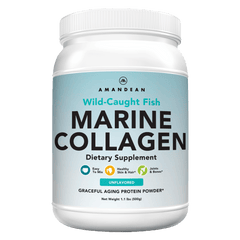
Premium Marine Collagen Powder 17.6 Oz
Graceful aging fish collagen powder sustainably sourced from wild-caught whitefish (cod, pollock, haddock, hake) in...
$47.95
Shop Now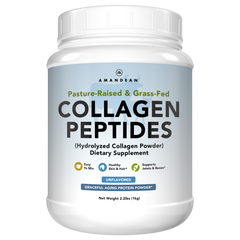
Premium Grass Fed Collagen Peptides (1kg)
Hydrolyzed Collagen Peptides Powder from grass-fed sources. May help support healthy aging for skin, hair, nails,...
$48.95
Shop NowOther helpful links
- Cognitive Longevity: What Actually Slows Brain Aging (and What's Just Marketing)
- Screen Time Is Aging Your Eyes: What Lutein and Zeaxanthin Actually Do
- Eye Vitamins Without Zinc: Who They're For and Why They Exist
- Menopause and Muscle: Why Strength Training (and the Right Stack) Actually Matter After 40
- Magnesium Glycinate vs. L-Threonate: Separating the TikTok Trend from the Research