
Your Cart is Empty


Key Takeaways
-
How Hydrolyzed Collagen Compares: Hydrolyzed collagen contains smaller peptides that are easier for the body to absorb than regular collagen, making it a more efficient way to deliver the amino acids needed for skin, joints, hair, and bone health.
-
Origins and Benefits of Hydrolyzed Collagen:Amandean’s marine collagen is sourced from wild-caught fish and offers highly-bioavailable Type I collagen, known for helping maintain skin elasticity, joint comfort, and overall vitality, while remaining free from unnecessary additives.
-
Key Amino Acids at Play in Hydrolyzed Collagen:Glycine, proline, and hydroxyproline form the backbone of collagen’s triple-helix structure, while other amino acids such as arginine, alanine, and glutamine contribute to circulation, recovery, and tissue repair.
What Is Hydrolyzed Collagen and Why Does It Matter?
Collagen is everywhere in the wellness world right now, but hydrolyzed collagen deserves more than a passing mention. This form of collagen offers a unique combination of science-backed bioavailability and everyday lifestyle benefits, making it a favorite among fitness enthusiasts, skincare devotees, and anyone looking to keep their joints moving.
At Amandean, we’ve spent years sourcing the highest-quality ingredients to help you experience these benefits in ways that truly fit your routine.
In this guide, we’ll break down exactly what hydrolyzed collagen is, how it differs from other forms, and why its smaller peptides make such a big difference for absorption and results. You’ll also learn how different sources, like our marine collagen, offer distinct advantages, and how pairing collagen withliposomal vitamin C can help your body get the most from every scoop.
How Hydrolyzed Collagen Compares to Regular Collagen
Hydrolyzed collagen is a more accessible form of one of the body’s most important proteins. Collagen acts as the structural “scaffolding” that helps maintain skin firmness, joint flexibility, and overall resilience. Our team at Amandean focuses on sourcing collagen in its most bioavailable form so your body can benefit from daily supplementation. Understanding how hydrolyzed collagen differs from regular collagen helps you select the option that aligns with your wellness goals.
Regular Collagen: Strong, but Difficult to Absorb
Regular, or “native,” collagen occurs naturally in animal skin, bones, and connective tissue. Its triple-helix protein structure makes it sturdy, yet that same complexity makes it challenging for the body to break down when consumed in foods such as bone broth or gelatin. As a result, much of it may pass through the digestive system without being fully absorbed5.
Hydrolyzed Collagen: Smaller Peptides with Greater Bioavailability
Hydrolyzed collagen, also called collagen peptides, undergoes hydrolysis, in which long protein chains are enzymatically “snipped” into smaller, more digestible pieces4,5. These peptides dissolve easily in hot or cold liquids, lack the gelling properties of gelatin, and have a neutral flavor.
When readily absorbed into the bloodstream, smaller peptides can be delivered to tissues such as skin, joints, and muscles4. Recent research suggests that supplementing with hydrolyzed collagen can contribute to maintaining lean body mass and supporting strength when combined with resistance training.
Why This Matters for Your Routine
Choosing a form of collagen that the body can absorb and use efficiently makes a noticeable difference in results. Hydrolyzed collagen offers an easy, versatile way to incorporate collagen into daily life. A scoop can be mixed into coffee, a smoothie, or mixed withmarine collagen for added bioavailability benefits. Combining collagen with liposomal vitamin C further supports absorption, helping you get the most out of every serving.
Natural Sources of Hydrolyzed Collagen and Their Unique Benefits
Hydrolyzed collagen can come from several high-quality sources, each offering a distinct profile of collagen types and benefits. Our team at Amandean selects from the finest origins worldwide, ensuring every scoop delivers clean, high-bioavailability nutrition backed by science and sustainable sourcing. Comprehending the differences between these sources can help you make the right choice for your wellness regimen.
Bovine Collagen
Bovine collagen is one of the most widely used and versatile forms of hydrolyzed collagen. Primarily sourced from the hides of grass-fed, pasture-raised cows, bovine collagen contains high amounts of both Type I and Type III collagen. Type I helps maintain skin elasticity and bone strength, while Type III contributes to joint comfort and connective tissue5,6. Also rich in amino acids such as glycine and proline, bovine collagen blends easily into hot or cold drinks without altering taste. This makes it an excellent choice for a daily routine that can be added to coffee, smoothies, or post-workout shakes.
Marine Collagen
Marine collagen is sourced from the skins and scales of wild-caught fish and is almost exclusively Type I collagen5,6. This type is particularly well-suited for hair, skin, nail, and bone health, and its smaller particle size allows for faster absorption compared to other collagen sources.
Marine collagen also contains amino acids that may help with inflammation management. For those following pescatarian diets, ourmarine collagen offers a clean, sustainable way to boost collagen intake while avoiding land-animal protein. Better yet, ourmarine collagen powder dissolves quickly in beverages and works well in hot and cold recipes.
Poultry Collagen
Poultry collagen is primarily extracted from chicken sternal cartilage and is rich in Type II collagen5,6. This type plays a key role in cartilage health and joint mobility, making it a smart option for individuals who want to maintain active movement throughout the day.
Unlike bovine or marine collagen, which focus more on skin and bone benefits, Type II collagen supports joint cushioning. Adding poultry collagen to your supplement routine can complement other collagen sources for a more comprehensive approach.
Porcine Collagen
Porcine collagen is structurally similar to human collagen and is typically sourced from pig skin. It often contains a mix of Type I and Type III collagen5. Research indicates that porcine collagen membranes are biocompatible and do not cause foreign body reactions, and collagen peptides from this source may have potential applications in bone regeneration and osteoporosis prevention6.
Although Amandean's primary focus is on bovine and marine collagen, porcine collagen remains an important source in the broader collagen market due to its compatibility with human collagen structure.
Molecular Size and Bioavailability: How Smaller Peptides Make Collagen Work Harder
Collagen molecules vary in size, determining how easily your body can absorb and use them. Large, intact collagen proteins have a sturdy triple-helix structure that resists quick breakdown during digestion. In contrast, hydrolyzed collagen has been enzymatically processed into smaller units called peptides5. These shorter chains pass through the digestive tract more efficiently, making them available to tissues such as skin, joints, and muscles.
Smaller peptides offer higher bioavailability, which refers to how much a nutrient reaches the bloodstream for active use5. In simple terms, this means your body can access the amino acids from hydrolyzed collagen faster, so you can start seeing benefits with consistent use. Increased bioavailability also reduces the amount of unused protein that lingers in the digestive system, which helps make each serving more effective.
During hydrolysis, the long collagen protein chains are broken into fragments that retain their beneficial amino acids, such as glycine, proline, and hydroxyproline5. These amino acids help maintain skin elasticity, joint comfort, and bone strength because hydrolyzed collagen dissolves easily in hot and cold liquids, integrating seamlessly into daily meals and beverages without altering taste or texture.
Key Amino Acids in Hydrolyzed Collagen and How They Support You
Hydrolyzed collagen contains a unique spectrum of amino acids that work together to maintain skin, joints, bones, and overall vitality. Our team at Amandean sources collagen to maximize these compounds in every serving, helping you build a consistent routine that delivers results you can feel.
Glycine: Foundational for Collagen Formation and Restorative Sleep
Glycine accounts for roughly one-third of collagen’s amino acid content5. This building block is essential for forming new collagen fibers and contributes to your body’s natural detox. Research also suggests that glycine may encourage more restful sleep2, making it a brilliant addition to an evening routine alongside thebenefits of taking collagen at night. Quality rest allows your body to repair and regenerate tissues, further amplifying the benefits of collagen supplementation.
Proline: Structural Support for Skin, Tendons, and Arteries
Proline plays a central role in maintaining collagen’s triple-helix structure5. This amino acid helps keep skin resilient, tendons strong, and arteries healthy. Consistent intake, such as through ourbest collagen for women entering menopause, can help sustain these structural benefits over time.
Hydroxyproline: Reinforcing Collagen Stability
Hydroxyproline is another key amino acid that contributes to the stability and strength of collagen fibers5. It reinforces the connective tissues that hold skin, joints, and bones together and plays a vital role in healthy aging. Studies indicate collagen peptides containing hydroxyproline can increase skin elasticity and dermal density2.
Arginine: Circulation and Recovery Support
While not unique to collagen, arginine is valuable for promoting healthy blood flow and circulation4. Better circulation can help deliver nutrients to tissues more efficiently, supporting post-exercise recovery and overall vitality. This makes it a beneficial addition for active individuals, including those usingcollagen for men to complement fitness goals.
Alanine and Glutamine: Energy and Repair Backups
Alanine and glutamine act as dependable energy and repair agents for the body3,4. They contribute to tissue recovery after physical activity and help maintain a steady energy supply for daily function. Combined with the other amino acids in hydrolyzed collagen, they help round out the comprehensive benefits for skin, joints, and muscle health.
Why These Amino Acids Matter
Together, these amino acids contribute to collagen’s ability to keep skin supple, joints flexible, and bones strong. Clinical research supports their role in wound healing, increased skin hydration, and improved tissue strength2,3. Making collagen a consistent part of your wellness plan allows these compounds to work in harmony, whether your focus is maintaining an active lifestyle, encouraging healthy aging, or supporting recovery from daily wear and tear.
Optimal Serving Size & How to Take Hydrolyzed Collagen Daily
Finding the right amount of hydrolyzed collagen for your needs helps you get the most from each scoop. Clinical studies suggest a daily range of 10 to 20 grams of hydrolyzed collagen peptides for general wellness1. Research indicates that smaller amounts can still be valuable when targeting specific outcomes, such as 5 to 10 grams for joint comfort or 2.5 to 10 grams for skin hydration1. This flexibility means you can tailor your serving to your lifestyle and goals.
Final Thoughts
Marine collagen stands out for its high bioavailability and its Type I collagen concentration, the most abundant form in skin, hair, nails, and bones. Our team at Amandean sources collagen from wild-caught North Atlantic whitefish, ensuring each serving is pure, sustainable, and free from unnecessary additives.
Consistent use matters most. Therefore, adding a scoop ofmarine collagen powder to your coffee, tea, smoothie, or even a simple glass of water can help maintain skin elasticity, keep joints comfortable, and encourage long-term vitality. For those who prefer a ready-to-use format,marine collagen stick packs make it easy to stay on track wherever the day takes you.
Read also:
-
How Much Collagen Should You Take Each Day For Visible Results?
-
How Long Does It Take For Collagen Supplements To Start Working?
Frequently Asked Questions About Hydrolyzed Collagen
Can hydrolyzed collagen improve skin health?
Absolutely! Hydrolyzed collagen delivers essential amino acids that help maintain skin elasticity and hydration. Studies show consistent use can lead to a smoother texture and a more radiant appearance over time2. For tailored tips, explore our guide to thebest collagen for women, which outlines how collagen can fit into beauty-focused wellness goals.
Does hydrolyzed collagen help with joint pain?
Research indicates hydrolyzed collagen may contribute to healthier cartilage and improved joint mobility4. By breaking collagen into smaller peptides, the body can absorb and circulate it more efficiently, making it a useful daily supplement for active lifestyles. Men interested in performance recovery or long-term mobility may benefit from the insights in ourcollagen for men guide.
Is hydrolyzed collagen better than gelatin?
Gelatin and hydrolyzed collagen come from similar sources but behave differently in the body. Gelatin is excellent for culinary uses like gummies or desserts, as it gels when cooled. Hydrolyzed collagen dissolves in hot and cold liquids and is absorbed more readily, making it a convenient choice for beverages, smoothies, or soups.
Is hydrolyzed collagen suitable for vegetarians or vegans?
Sadly, no. Marine collagen is sourced from wild-caught fish, so it does not align with vegetarian or vegan diets. For those following plant-based lifestyles, our team continues researching innovative, plant-powered alternatives that uphold our commitment to clean, sustainable sourcing.
How long does it take to see results from hydrolyzed collagen?
Consistent daily use over four to eight weeks is often associated with visible changes in skin elasticity, hair quality, and joint comfort2,4. The key is making it a regular habit so your body continuously receives the amino acids it needs for tissue repair and renewal.
At what age should you start taking hydrolyzed collagen?
Collagen production begins to decline gradually in the mid-20s. Many people add collagen to their routine in their late 20s or early 30s, though starting earlier or later can still offer benefits. The goal is to maintain a steady supply of the amino acids that help keep skin firm, joints mobile, and hair strong.
Sources:
-
Nunn, M. (2025, July 21). Benefits of hydrolyzed collagen and how to use it. Verywell Health. https://www.verywellhealth.com/hydrolyzed-collagen-5082613
-
Choi, F. D., Sung, C. T., Juhasz, M. L. W., & Mesinkovska, N. A. (2019). Oral collagen supplementation: A systematic review of dermatological applications. Journal of Drugs in Dermatology, 18(1), 9–16. https://pubmed.ncbi.nlm.nih.gov/30681787/
-
Kumar, M., Banerjee, P., Das, A., Singh, K., Guith, T., Kacar, S., Gourishetti, K., Sen, C. K., Roy, S., & Khanna, S. (2024). Hydrolyzed collagen powder dressing improves wound inflammation, perfusion, and breaking strength of repaired tissue. Advances in Wound Care, 13(2), 70–82. https://doi.org/10.1089/wound.2023.0065
-
Kirmse, M., Oertzen-Hagemann, V., de Marées, M., Bloch, W., & Platen, P. (2019). Prolonged collagen peptide supplementation and resistance exercise training affects body composition in recreationally active men. Nutrients, 11(5), 1154. https://doi.org/10.3390/nu11051154
-
Khatri, M., Naughton, R. J., Clifford, T., Harper, L. D., & Corr, L. (2021). The effects of collagen peptide supplementation on body composition, collagen synthesis, and recovery from joint injury and exercise: A systematic review. Amino Acids, 53(10), 1493–1506. https://doi.org/10.1007/s00726-021-03072-x
-
Wang, H. (2021). A review of the effects of collagen treatment in clinical studies. Polymers, 13(22), 3868. https://doi.org/10.3390/polym13223868
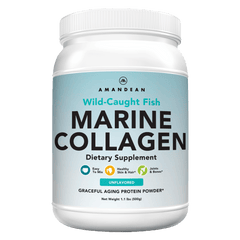
Premium Marine Collagen Powder 17.6 Oz
Graceful aging fish collagen powder sustainably sourced from wild-caught whitefish (cod, pollock, haddock, hake) in...
$47.95
Shop NowOther helpful links
- Cognitive Longevity: What Actually Slows Brain Aging (and What's Just Marketing)
- Screen Time Is Aging Your Eyes: What Lutein and Zeaxanthin Actually Do
- Eye Vitamins Without Zinc: Who They're For and Why They Exist
- Menopause and Muscle: Why Strength Training (and the Right Stack) Actually Matter After 40
- Magnesium Glycinate vs. L-Threonate: Separating the TikTok Trend from the Research